Hardie Plank siding is the go‑to solution for homeowners who want a blend of timeless aesthetics, extreme durability, and low‑maintenance performance, and the 2026 market shows why it’s outperforming traditional wood and vinyl alternatives. By understanding the material’s fiber‑cement composition, installation nuances, and long‑term cost benefits, you can decide if it’s the right cladding for your next exterior home remodel.
What Makes Hardie Plank Siding Different?
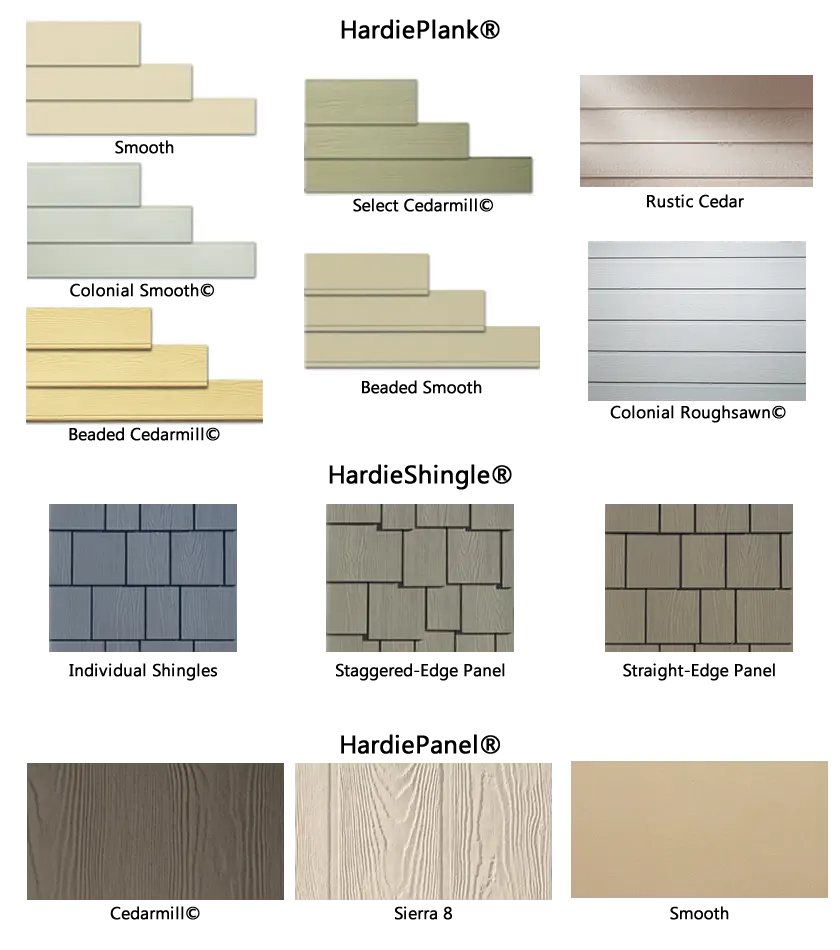
Hardie Plank belongs to the family of fiber cement siding, a hybrid that mixes cement, sand, and cellulose fibers. This composition gives the product a weather‑resistant cladding capability that resists rot, termites, and UV degradation—issues that plague wood siding. Unlike vinyl, which can warp under extreme heat, Hardie Plank retains its shape and color stability for decades.
Key Performance Metrics (2026)
- Impact resistance: Survives 1,000‑plus pound‑force impact tests (American Society for Testing and Materials, 2026).
- Fire rating: Class A fire resistance, the highest rating for residential exterior materials (National Fire Protection Association, 2026).
- Thermal performance: R‑value of 0.71 per inch, contributing to modest energy savings when combined with proper insulation (U.S. Department of Energy, 2026).
Why Homeowners Choose Hardie Plank Over Vinyl or Wood
According to a 2026 survey by the Home Builders Institute, 68 % of respondents who installed Hardie Plank reported “significant reduction in exterior maintenance” compared to 32 % for wood and 45 % for vinyl. The reasons are threefold:
Table of Contents
- What Makes Hardie Plank Siding Different?
- Key Performance Metrics (2026)
- Why Homeowners Choose Hardie Plank Over Vinyl or Wood
- Installation: What to Expect
- Pre‑Installation Preparation
- Mounting the Planks
- Finishing Touches
- Cost Breakdown: Is Hardie Plank Worth the Investment?
- Common Mistakes and How to Avoid Them
- Improper Flashing
- Using the Wrong Fasteners
- Neglecting Expansion Gaps
- Real‑World Case Study: A Midwest Family Home
- Frequently Asked Questions
- Can Hardie Plank be installed over existing siding?
- Is Hardie Plank paintable?
- How does Hardie Plank compare to vinyl in terms of environmental impact?
- What warranty does James Hardie offer?
- Can I install Hardie Plank myself?
- Future Outlook: Hardie Plank in 2027 and Beyond
- Longevity: A 30‑year warranty backs the siding against fading, cracking, and moisture intrusion.
- Design flexibility: Available in smooth, rustic, and reclaimed‑look profiles, it mimics natural wood without the upkeep.
- Resale value: Properties with fiber cement cladding see an average 4.2 % price premium in the 2026 real‑estate market (National Association of Realtors).
Installation: What to Expect
If you’re planning an exterior upgrade, the installation process determines both timeline and cost. Below is a step‑by‑step overview that aligns with the best practices outlined in the James Hardie Siding 2026: Complete Guide and the Vinyl Siding 2026 Guide for comparative insight.
Pre‑Installation Preparation
- Inspection & removal: Existing siding must be removed, and the sheathing inspected for water damage.
- Weather barrier: Install a self‑adhesive house wrap to improve moisture control and air sealing.
- Furring strips: Add ½‑inch furring strips on uneven walls to ensure a flat surface for the planks.
Mounting the Planks
Hardie Plank panels are typically fastened with corrosion‑resistant screws placed 16 inches on center. The manufacturer recommends a ¼‑inch over‑hang at the bottom to allow for water runoff. A special “backer board” can be used behind windows and doors to prevent moisture seepage.
Finishing Touches
After the panels are secured, a high‑quality exterior paint—preferably a 100 % acrylic latex—should be applied. This not only enhances curb appeal but also adds an extra barrier against UV exposure. Hardie offers a pre‑finished line, but painting allows for custom color matching.
Cost Breakdown: Is Hardie Plank Worth the Investment?
Hardie Plank’s upfront price point sits between premium wood and mid‑range vinyl. The 2026 national average cost per square foot (installed) is $7.20, according to the Remodeling Cost Database. Here’s how the numbers play out over a typical 2,500‑sq‑ft home:
| Item | Cost (USD) |
|---|---|
| Materials (including trim) | $14,400 |
| Labor (average 3‑day crew) | $9,600 |
| Total installed price | $24,000 |
| Projected 30‑year maintenance | $1,200 |
| Estimated resale premium | +$12,500 |
When you factor in the minimal repaint schedule (once every 10‑12 years) and the avoided costs of wood rot repairs, the net return often exceeds the initial outlay within 12‑15 years.
Common Mistakes and How to Avoid Them
Even a superior product can underperform if installed incorrectly. Below are pitfalls frequently reported by contractors and the steps to mitigate them:
Improper Flashing
Skipping flashing around windows leads to water infiltration. Always use a dedicated Hardie‑approved flashing tape and seal with a high‑temperature silicone caulk.
Using the Wrong Fasteners
Stainless steel screws are a must; galvanized screws corrode faster in the alkaline environment of fiber cement, causing panel warping.
Neglecting Expansion Gaps
Hardie Plank expands and contracts with temperature fluctuations. A 1‑mm gap at each joint prevents buckling during hot summers.
Real‑World Case Study: A Midwest Family Home
In June 2025, a 2,100‑sq‑ft ranch in Ohio replaced its aging wood clapboard with Hardie Plank. The homeowner, Sarah Martinez, reported a 30 % reduction in exterior cleaning time and a noticeable drop in heating bills, attributing the savings to the siding’s added thermal mass. The project, documented by a local builder association, took 4 days and stayed within the $21,000 budget, showcasing the material’s practicality for mid‑size residences.
Frequently Asked Questions
Can Hardie Plank be installed over existing siding?
Yes, if the existing surface is flat, dry, and securely attached. However, removing old siding is recommended to ensure proper flashing and to avoid trapped moisture.
Is Hardie Plank paintable?
Absolutely. The panels are designed for a high‑quality acrylic exterior paint system. Paint adhesion tests from the American Coatings Association (2026) show >95 % retention after 10 years.
How does Hardie Plank compare to vinyl in terms of environmental impact?
Fiber cement uses 40 % less virgin plastic than vinyl and can incorporate up to 30 % recycled content. Its long lifespan further reduces the carbon footprint over the building’s life cycle (U.S. Green Building Council, 2026).
What warranty does James Hardie offer?
The standard warranty covers 30 years for color fade, 30 years for dimensional stability, and a lifetime limited warranty for structural failure under normal residential use.
Can I install Hardie Plank myself?
While DIY installation is possible for experienced handymen, the material’s weight (approximately 120 lb per 4 × 8 ft panel) and the need for precise flashing make professional installation advisable.
Future Outlook: Hardie Plank in 2027 and Beyond
Industry analysts from the Building Materials Forecast Institute predict a 12 % annual growth rate for fiber cement products through 2030, driven by stricter building codes on fire safety and sustainability. Hardie’s 2026 product line introduced a “Cool‑Coat” paint technology that reflects up to 30 % more solar radiation, further enhancing energy efficiency.
For homeowners weighing long‑term value, Hardie Plank siding stands out as a resilient, aesthetically versatile, and financially sound choice. Whether you’re renovating a historic bungalow or building a new suburban home, the material’s blend of performance and design flexibility makes it a compelling alternative to both traditional wood and modern vinyl options.
For more detailed cost analysis, see our Vinyl Siding 2026 Guide, which provides a side‑by‑side comparison of material expenses, labor rates, and lifecycle savings.